Understanding the Role of Hydraulic Valves in Industrial Automation for Efficient Operations
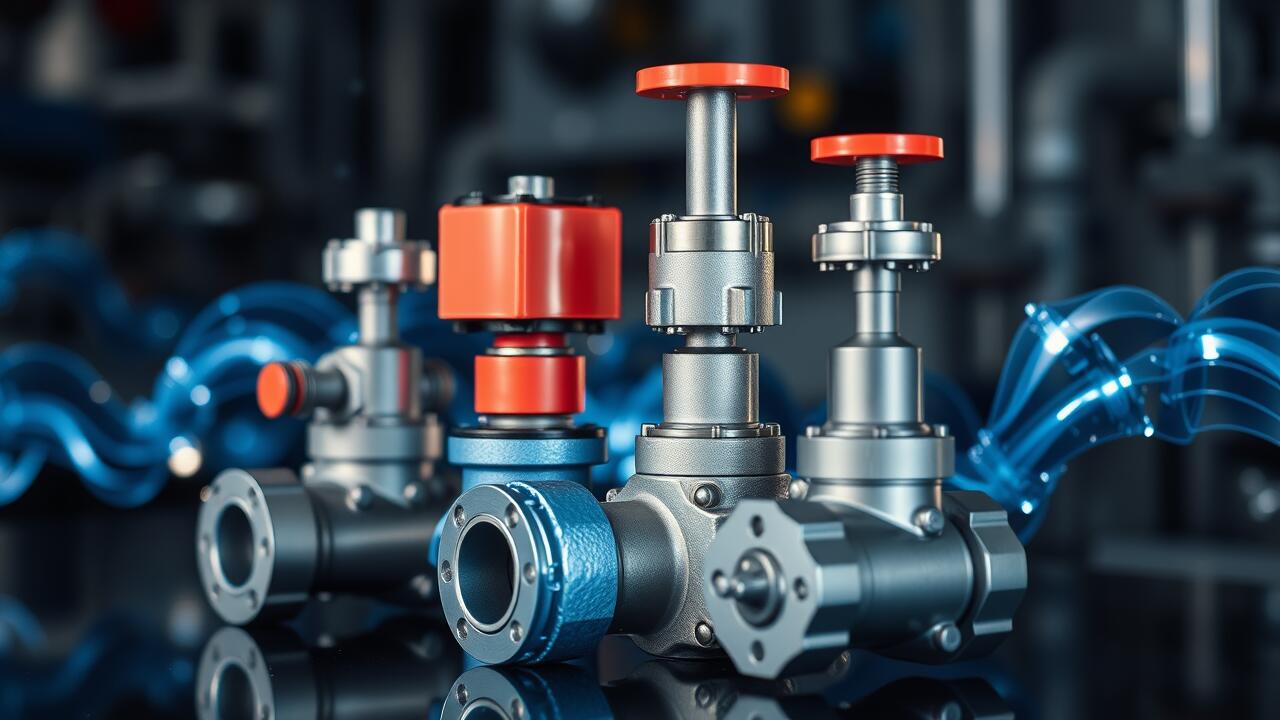
Table Of Contents
Key Takeaways
- Summary of hydraulic valves and their significance in industrial automation.
- Insight into how hydraulic valves function and their operation mechanisms.
- Examination of hydraulic valve specifications and their importance.
- Discussion on automated valves and their contributions to automation processes.
Overview of Hydraulic Valves
Hydraulic valves serve as critical components within hydraulic systems, enabling precise control of fluid flow in various applications. Understanding the Role of Hydraulic Valves in Industrial Automation reveals their importance in the functioning of hydraulic machinery. These valves manage the operation of hydraulic pumps and control valves, ensuring efficient movement and distribution of hydraulic fluid. By regulating flow through process valves and flow control valves, hydraulic valves contribute significantly to the performance of hydraulic equipment. Their design and functionality directly influence the efficiency of hydraulic systems, impacting the overall productivity and reliability of industrial automation processes.
Definition and Functionality
Hydraulic valves play a crucial role in managing the flow and direction of hydraulic fluid within hydraulic circuits. These valves regulate the pressure and control the movement of hydraulic engines, ensuring that hydraulic motors and systems like hydraulic brakes operate effectively. A variety of valve types, including rotary valves and pressure control valves, are designed to facilitate specific functions within hydraulic systems. Understanding the Role of Hydraulic Valves in Industrial Automation requires a grasp of how these components influence overall system performance.
The functionality of hydraulic valves is critical for maintaining efficiency in automated processes. By controlling hydraulic power, these valves ensure optimal operation of machinery in various applications. They direct the flow of hydraulic fluid to the appropriate components, allowing for precise movement and control. This level of regulation is essential for achieving desired outcomes in industrial settings, highlighting the importance of selecting the right hydraulic valve for specific requirements in hydraulic circuits.
Key Types of Hydraulic Valves
Hydraulic valves play a critical role in controlling hydraulic flow within various systems. Control valves regulate the movement of hydraulic fluid to hydraulic cylinders, which in turn operate hydraulic presses and hydraulic cranes. Key types include spool valves, which manage fluid direction, and check valves, designed to prevent backflow. Pressure-reducing valves are essential for managing hydraulic pressure, ensuring that the system operates within safe limits. Understanding the Role of Hydraulic Valves in Industrial Automation is vital for optimizing system performance and reliability.
Different types of hydraulic valves serve distinct functions in automation. Spool valves are commonly used for precise control of hydraulic cylinders, allowing for smooth movement and positioning. Check valves ensure that fluid flows in one direction, preventing damage from back pressure. Understanding the Role of Hydraulic Valves in Industrial Automation emphasizes the importance of selecting the right valve actuator to match the application, enhancing efficiency and effectiveness in hydraulic systems. Each type of valve contributes uniquely to the performance and capability of hydraulic machinery.
Understanding the Role of Hydraulic Valves in Industrial Automation
Hydraulic valves serve as the backbone of fluid control in industrial automation, facilitating the precise management of hydraulic energy. Understanding the Role of Hydraulic Valves in Industrial Automation encompasses various components, including relief valves and pressure relief valves that protect systems from overpressure. Hydraulic actuators, hydraulic excavators, and valve actuators rely on these valves to function effectively. Control mechanisms like pilot valves, throttle valves, and proportional control valves regulate flow and pressure, ensuring that operations run smoothly. Electro-hydraulic actuators utilize hydraulic energy to enhance responsiveness, especially in applications requiring rapid movements. Reversing valves allow for directional control, vital for equipment like cranes and lifts. The interplay between these elements determines system efficiency, making hydraulic valves essential for optimizing performance in automated industrial environments.
Importance of Hydraulic Valves in Automation Processes
Hydraulic valves play a critical role in the efficiency of automated systems, facilitating the precise control of fluid power in various applications. Understanding the role of hydraulic valves in industrial automation is essential for optimizing operations. These valves enable the regulation of fluid flow, acting as checking valves and controlling the pressure delivered by pumps. This control is vital for maintaining the proper function of machinery and ensuring high performance within the hydraulic valve sector.
The implementation of hydraulic valve technology contributes significantly to the overall productivity of industrial processes. Hydraulic control valves help manage energy usage and improve response times in machinery operations. The importance of hydraulic valves in industrial automation cannot be understated, as they directly influence efficiency and system reliability. Understanding the role of hydraulic valves allows engineers to make informed decisions about selecting the appropriate industrial valves for specific applications, ultimately enhancing the power and functionality of hydraulic systems.
Impact on Efficiency and Performance
Understanding the role of hydraulic valves in industrial automation is crucial for enhancing operational efficiency. Hydraulic valves promise improved flow control in automated systems, effectively managing the movement of fluids within hydraulic setups. Industrial valves are flow control devices that play a vital role in pipelines and process plants. Their proper functioning directly influences the performance of hydraulic components, including hydraulic engine systems. By facilitating precise valve automation, industries can optimize their hydraulic applications, leading to increased productivity and reduced downtime.
The performance of operated valves significantly affects the overall efficiency of industrial hydraulics. Automated valves streamline operations, allowing for quicker response times and more precise control of fluid dynamics. This efficiency translates into better resource management and lower energy consumption. As industries continue to integrate advanced technology into their hydraulic setups, understanding the role of hydraulic valves in industrial automation becomes even more essential. By focusing on the performance capabilities of industrial valves, organizations can achieve superior operational outcomes and enhance their competitive edge in the market.
- Improved flow control leads to optimized fluid management.
- Enhanced response times result in faster operational processes.
- Precise control of fluid dynamics minimizes resource waste.
- Reduced downtime contributes to increased productivity.
- Lower energy consumption leads to cost savings and sustainability.
- Advanced technology integration enhances valve performance and adaptability.
- Focus on valve performance strengthens competitive advantage in the industry.
Hydraulic Valves Function
Hydraulic valves are critical components in hydraulic systems, playing a vital role in fluid power and flow control. Understanding the Role of Hydraulic Valves in Industrial Automation hinges on the effective operation of these valves, which include both direct-operated and pilot-operated types. These valves are essential for managing hydraulic pressure control, ensuring that hydraulic technologies function seamlessly to meet the demands of various applications. Engineers and hydraulic experts frequently utilize large process valves and advanced valves to optimize hydraulic flow control. With a thorough grasp of different process valves, professionals can enhance the hydraulic process, leading to improved efficiency and performance in industrial automation. The integration of hydraulic technology in systems allows for precise manipulation of hydraulic pressure, facilitating superior control over hydraulic systems power.
Mechanisms of Operation
Hydraulic valves play a crucial role in valve flow control within complex hydraulic systems. Operators rely on a variety of valve types, including pressure control valves and lever valves, to ensure that the entire hydraulic system functions optimally. By integrating automatic systems, hydraulic system operators can minimize the risk of valve automation failure, thus enhancing the efficiency of manual valve operations. Understanding the Role of Hydraulic Valves in Industrial Automation is essential for managing multiple valves and ensuring consistent performance across the hydraulic network, ultimately leading to more economical valve automation.
The operation of hydraulic valves involves various mechanisms that govern their function within the hydraulic system. Each valve type interacts differently with fluid dynamics to adjust flow rates and pressure levels. Hydraulic repair services often focus on diagnosing issues that may arise from malfunctioning components within these systems. A thorough understanding of how each valve operates contributes significantly to improving system reliability and performance. Effective design and implementation of valve automation techniques are vital for achieving maximum efficiency and minimizing downtime in industrial applications.
- Understanding fluid dynamics is key to optimizing hydraulic valve performance.
- Regular maintenance and timely repairs reduce the risk of valve failures.
- Selecting the appropriate valve type is crucial for specific application needs.
- Implementing automatic systems can enhance the responsiveness of hydraulic operations.
- Training operators on valve control can improve overall system efficiency.
- Monitoring and analytics help identify performance issues early.
- Upgrading to modern valve technologies can lead to significant efficiency gains.
Active vs. Passive Control
Active control systems utilize advanced technologies to adjust valve operations dynamically in response to changing conditions. These systems employ sensors and feedback mechanisms, allowing for precise management of hydraulic fluid flow. Understanding the Role of Hydraulic Valves in Industrial Automation hinges on selecting the right valves that can handle varying pressures and torques. Regular inspection of these valves is crucial to prevent hydraulic fluid leaks, ensuring optimal performance and safety in industrial environments.
Passive control, on the other hand, relies on fixed settings and manual valve controls to regulate flow and pressure. This method is simpler and often more cost-effective, but it may limit the responsiveness of the system. Understanding the Role of Hydraulic Valves in Industrial Automation means recognizing how these control systems interact with manual mechanisms. While they direct fluid flow efficiently, active systems generally provide better adaptability and enhanced efficiency than their passive counterparts. New valves designed for active control are increasingly in demand as industries evolve.
Hydraulic Valve Operation
Understanding the operation of hydraulic valves is crucial for mastering the role of these components in industrial automation. Hydraulic valves serve to modulate the flow of hydraulic fluid, enabling the precise control of hydraulic force in various applications. Adaptive valves, such as linear control valves and directional control valves, facilitate smooth operation in complex systems. Heavy-duty process valves and smart valves enhance reliability and efficiency, while pneumatic valve automation offers flexibility in controlling air-driven mechanisms. With advancements in valve technology, understanding the role of hydraulic valves in industrial automation becomes essential for optimizing performance and integrating linear valves with existing systems.
Principles of Operation
Hydraulic valves operate through a delicate balance of hydraulic fluid pressure, enabling precise control over hydraulic fluid flow. A valve operator manages this flow, using designs that range from manual valves to advanced pilot-operated valves. The valve manufacturer focuses on creating affected valves that meet specific operational needs, ensuring that each unit can effectively respond to varying hydraulic power sales requirements. A clear hydraulic diagram illustrates these relationships, aiding valve experts in diagnosing and optimizing performance across different applications.
Each valve's design directly impacts its functionality, influencing how it interacts within automated systems. Understanding the role of hydraulic valves in industrial automation hinges on recognizing how future valves will integrate innovative technologies to enhance performance and reliability. By carefully selecting the right valves based on their specifications and operational principles, industries can maximize efficiency and streamline processes. The interplay between hydraulic fluid dynamics and valve design remains crucial for achieving optimal performance in all automated systems.
Common Operating Modes
Operating modes of hydraulic valves can include a variety of functions tailored to specific hydraulic/pneumatic needs. Simple on/off valves provide a basic method for fluid control, allowing for quick and effective activation or deactivation of hydraulic circuits. For more complex applications, directional valves serve critical roles in managing the flow paths of hydraulic fluid. Understanding the Role of Hydraulic Valves in Industrial Automation hinges on such versatility, ensuring that systems remain efficient and responsive to operational demands.
Several valve types reflect distinct operating modes, each with unique valve actuation mechanisms and valve closure mechanisms. Higher-quality valves often incorporate advanced technologies that enhance performance and longevity. Predictive valve maintenance strategies are essential for managing old valves and ensuring hydraulic guarantees. This proactive approach considers valve specifications to avoid unexpected failures, especially in applications involving mobile hydraulics where reliability is crucial. Understanding the Role of Hydraulic Valves in Industrial Automation is integral to optimizing control and maximizing system uptime.
Hydraulic Valve Specifications
Selecting the right valve is crucial for ensuring optimal performance in hydraulic systems. Understanding the role of hydraulic valves in industrial automation requires careful consideration of specifications that influence valve performance and reliability. Shut-off valves and shuttle valves represent key types of components that must be evaluated for their intended application. Factors such as valve opening, hydraulic/pneumatic actuation, and pneumatic valve actuators play significant roles in the operational efficiency of the system. Proper maintenance can prevent valve failures, while understanding hydraulic/pneumatic pilot actuation is essential for maximizing the life of each main valve. Balancing these aspects helps manage valve maintenance costs and ensures uninterrupted operation in automated processes.
Selection Criteria for Industrial Applications
Selecting the right hydraulic valve is crucial for ensuring optimal performance in industrial fluid systems. Understanding the role of hydraulic valves in industrial automation helps identify specific valves that meet operational needs, particularly when it comes to valve actuation and pneumatic valve operation. Sequence valves and logic valves play vital roles in maintaining flow control. Choosing a valve designed for critical shut-off applications can prevent valve failure and mitigate the risks associated with emergency valve failures. Each component must be compatible with the overall hydraulic system to maintain a harmonious balance, much like a hydraulic symphony.
The performance of hydraulic valves directly impacts efficiency and reliability. Open valve configurations may suit certain operational requirements, while others necessitate more complex setups for precision control. Selecting valves requires careful consideration of the specific valve characteristics and how they connect within the system. Understanding the role of hydraulic valves in industrial automation involves evaluating how well these valves will integrate under different conditions. Systems designed with high standards not only enhance performance but also safeguard against potential failures, ensuring smooth operation in demanding environments.
Compatibility and Standards
Compatibility is crucial for ensuring that hydraulic valves integrate seamlessly within an automated system. Understanding the Role of Hydraulic Valves in Industrial Automation becomes essential when evaluating appropriate valve specifications relative to other components. Variations in valve designs can lead to valve malfunctions, such as those arising from incompatible hydraulic pilots or directional control valves. Addressing valve-related issues early on can significantly reduce risks associated with valve defects and enhance durable valve performance across operational states.
Standards play a vital role in maintaining consistency and reliability in hydraulic systems. Adhering to established compatibility standards helps mitigate potential valve malfunctions, particularly in applications utilizing counterbalance valves. These standards ensure that the hydraulic valves function effectively and cooperate with other system elements. Operating within defined guidelines fosters greater efficiency and reduces the likelihood of valve-related failures, ultimately contributing to smoother industrial automation processes.
Automated Valves and Their Role
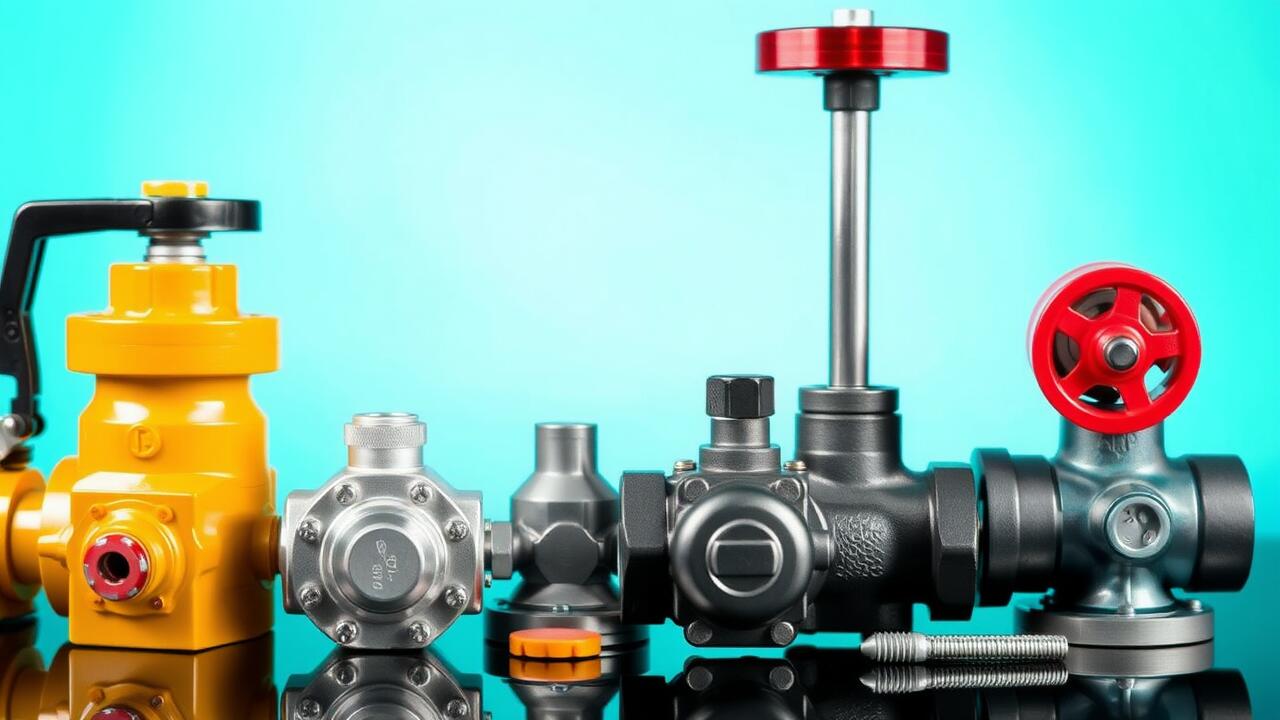
Automated valves play a crucial role in streamlining processes within various industrial automation systems. Understanding the Role of Hydraulic Valves in Industrial Automation is essential for optimizing operations. These valves, including proportional valves, allow for precise control over fluid flow, significantly impacting valve response times and efficiency. Each valve spool position dictates the flow direction through the valve block, influencing overall system performance. Selecting the appropriate valve involves careful consideration of factors like valve movement and the potential for valve issues in the pump drain line. Companies like Hawe Hydraulics and those specializing in valvetechnology offer a range of options, ensuring that the chosen valve meets specific application requirements and functionality.
Conclusion
Understanding the Role of Hydraulic Valves in Industrial Automation is crucial for optimizing system performance. The efficiency of industrial machinery heavily relies on precise valve position changes, which are achieved through mechanisms within the valve body. Control over valve position and valve ports enhances the responsiveness of hydraulic systems. Real-time valve monitoring plays a significant role in ensuring accurate operations, while small pilot valves contribute to the effective control of larger systems. Custom valve designs, including binary valves, allow for tailored solutions that meet specific operational needs, emphasizing the importance of correct valve selection in various industrial applications.
FAQS
How do hydraulic valves function within industrial automation systems using hydraulics equipment?
Hydraulic valves are flow control devices that are crucial in industrial automation, as they direct, control, and modulate the flow of hydraulic fluid. Depending on their design, like direct-operated valves or complex valves, they can enhance efficiency significantly. The valve control systems integrate various valve components, ensuring critical shut-off valves and torques valves operate effectively. Proper inspection and maintenance of these valves ensure they remain in optimal valve states and positions, ultimately promising reliable performance in industrial applications.
What is the significance of hydraulic valves in enhancing the efficiency of hydraulics equipment in industrial applications?
Hydraulic valves play a crucial role in industrial applications by acting as flow control devices that manage the movement of fluids through hydraulics equipment. By ensuring that hydraulic valves are positioned correctly, they can significantly enhance efficiency, allowing systems to operate more smoothly. Additionally, regularly inspecting valves and understanding how hydraulic valves connect within the system can lead to improvements in performance and reliability. The promises of hydraulic valves power are evident in their ability to optimize operations in various industrial settings, making them essential components of hydraulic systems.
How can hydraulic valves improve the performance of industrial applications?
Hydraulic valves promise to enhance efficiency by managing flow in hydraulically operated systems. These industrial valves are flow control devices that are used in pipelines and process plants. Inspecting valves ensures they function correctly, as proper valve positions directly impact system performance. Additionally, the valve connect feature allows integration within hydraulic machinery, maximizing effectiveness and reliability.
What promises do hydraulic valves hold for optimizing performance in industrial applications, and how can we inspect valves to ensure they enhance efficiency?
Hydraulic valves promise significant improvements in the performance of industrial applications by precisely controlling fluid flow and pressure. Regularly inspecting valves is essential, as it ensures that hydraulic valves enhance efficiency and maintain the correct operation of the hydraulics equipment used in various industries.
What are the hydraulic valves promises for improving the efficiency of industrial automation systems, and how can we inspect valves to ensure they function effectively?
The hydraulic valves promises include enhancing the efficiency of industrial automation systems by precisely controlling the flow and pressure of hydraulic fluid. To ensure that hydraulic valves enhance efficiency, it's important to regularly inspect valves for any signs of wear, leakage, or malfunction, which can affect their performance in the system. Proper maintenance and timely inspections are crucial for optimal functionality of hydraulic valves in industrial applications.
How can the use of hydraulic valves enhance the efficiency of industrial automation systems?
The implementation of hydraulic valves in industrial automation systems is crucial as these valves enhance efficiency by providing precise control over fluid flow and pressure, which ultimately optimizes the operation of hydraulic equipment. Efficient hydraulic valves are essential for improving the overall performance and reliability of hydraulic systems in industrial applications.
In what ways do the use of hydraulic valves contribute to the overall performance and efficiency of industrial automation systems?
The incorporation of hydraulic valves enhances efficiency in industrial automation systems by optimizing fluid control, thereby improving the overall functionality of hydraulic systems. These hydraulic valves regulate pressure and flow, which are crucial for ensuring that equipment operates at peak performance, ensuring that every component works effectively together.
What are the common applications of hydraulic valves in various industries?
Hydraulic valves are critical components used in various industries to control the flow and pressure of hydraulic fluids, ensuring safety and efficiency in hydraulic systems. By regulating the hydraulic fluid, these hydraulic valves aid in the precise operation of machinery, contributing significantly to the overall performance and reliability of industrial processes.
What are the potential benefits of integrating advanced hydraulic valves in modern industrial automation systems?
Integrating advanced hydraulic valves can significantly enhance the overall performance of industrial automation systems. By optimizing flow control and pressure management, hydraulic valves improve operational efficiency and reduce energy consumption, ultimately leading to more reliable and cost-effective industrial processes.
How do advancements in technology influence the design and performance of hydraulic valves used in industrial automation?
Advancements in technology play a significant role in the design and performance of hydraulic valves. These innovations allow for more precise control of flow and pressure, improved durability, and enhanced responsiveness in various industrial applications. By integrating smart technology, hydraulic valves can communicate with other automated systems, leading to more efficient operations and better performance overall.