Screw Machines and Swiss Machining a Perfect Match for Complex Designs
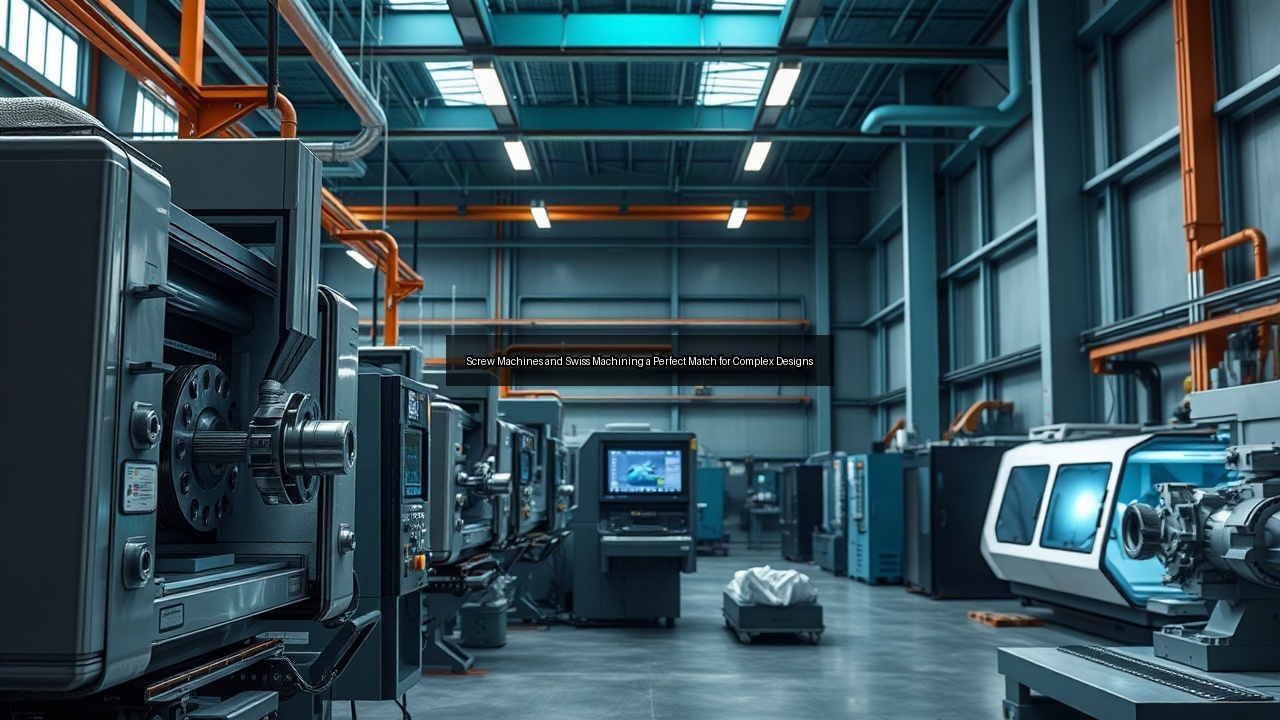
Understanding Swiss Machining and Screw Machines
What is Swiss Machining?
Swiss machining produces intricate components by feeding bar stock through a guide bushing that supports the material right at the cutting point. This setup minimizes deflection and allows operators to hold tolerances within microns on diameters as small as 0.5 mm. Shops rely on swiss machining when parts require multiple operations in a single cycle, including turning, drilling, and threading. The process handles long, slender workpieces that would whip on conventional lathes. CNC swiss machining extends these capabilities with live tooling and sub-spindles, enabling complete machining without secondary setups. Engineers choose this method for medical implants, watch components, and fuel injector nozzles where consistency matters most.
Overview of Screw Machines
Screw machines evolved from cam-operated automatics into versatile platforms that produce high volumes of turned parts. Traditional screw machines still excel at simple fasteners and bushings, while modern versions integrate CNC controls for greater flexibility. Operators load bar stock into the machine and let it run unattended for hours, churning out identical pieces at rapid rates. These machines reduce cycle times on repetitive jobs and keep per-piece costs low when production volumes climb into the thousands. Many machine shops pair screw machines with swiss-style equipment to cover both high-volume commodity work and precision prototypes under one roof.
Key Features of Swiss Style Lathes
Swiss style lathes feature a sliding headstock that advances the bar past stationary tools, supported by a guide bushing inches from the cut. This geometry delivers unmatched rigidity for deep drilling and fine threading. Most models include multiple tool stations, cross-drilling spindles, and back-working capabilities that finish parts completely in one clamping. Modern swiss style lathes accept up to 32 mm bar capacity and run at spindle speeds exceeding 10,000 rpm. Tooling changes happen quickly through preset holders, and built-in sensors monitor tool wear to prevent scrap. Shops value these lathes for their ability to maintain straightness on parts longer than ten times the diameter.
The Advantages of Swiss Machining for Complex Designs
Precision in Machined Parts
Swiss machining achieves surface finishes below 16 microinches and positional accuracy within 0.0002 inches without extra grinding. The constant support from the guide bushing keeps the workpiece stable even when cutting tough nickel alloys or thin-walled aerospace components. Operators program tool paths once and replicate them across hundreds of parts, eliminating variation that creeps into manual setups. Precision machining on swiss equipment often replaces multiple grinding or EDM steps, shortening lead times while preserving tight geometric tolerances. Quality teams verify results with in-process probing that feeds data directly back to the control.
Enhanced Productivity and Efficiency
One swiss machine can replace two or three conventional lathes because it performs turning, milling, and drilling in a single cycle. Cycle times drop dramatically when operators eliminate part handling between machines. High spindle speeds combined with optimized feed rates boost throughput on complex geometries without sacrificing finish quality. Automation options such as bar feeders and parts catchers allow overnight runs that increase daily output. Productivity gains compound when shops schedule similar parts together to minimize changeover time and maximize machine utilization.
Versatility in Material Use: From Nickel to Aerospace Alloys
Swiss machining handles everything from free-machining brass to heat-resistant nickel and titanium alloys used in turbine blades. Proper tooling geometries and coolant delivery prevent work hardening and built-up edge on difficult materials. Shops adjust parameters quickly through CNC controls to maintain chip control across different alloys. This versatility lets manufacturers produce both prototype runs and production volumes on the same equipment without major retooling. Aerospace suppliers particularly benefit because swiss machines maintain consistent quality on parts that must meet strict material certification requirements.
The Role of Technology in Swiss Machining
The Impact of CNC Machines on Swiss Machining
CNC machines transformed swiss machining from a cam-driven craft into a programmable science. Operators now store hundreds of part programs and recall them instantly for repeat orders. Live tooling stations on CNC swiss machining centers perform milling and cross-drilling without moving the part to another machine. This integration reduces handling errors and shortens overall lead times. Modern controls also support conversational programming, letting machinists create new routines directly at the machine rather than relying solely on off-line software.
Automation and Software Solutions for Increased Efficiency
Automation packages add robotic part loaders and in-machine inspection that keep swiss lathes running through breaks and shift changes. Software solutions simulate tool paths before cutting begins, catching collisions and optimizing feed rates to reduce cycle times by 15 to 25 percent. Integrated scheduling tools track tool life across multiple machines and alert staff when replacements are due. Machine shops that adopt these systems report higher overall equipment effectiveness and fewer unplanned stops during long production runs.
Integrating Swiss Machining Technology in Machine Shops
Successful integration starts with evaluating current part families to identify which jobs benefit most from swiss precision. Shops then train operators on both programming and maintenance so downtime stays minimal. Many facilities link their swiss machines to shop-wide networks that pull real-time data on spindle load and cycle completion. This connectivity supports predictive maintenance and helps planners balance workloads across the entire machining department. The result is a smoother workflow from quoting through final inspection.
Applications of Swiss Machining Across Industries
Aerospace Industry Applications
Aerospace manufacturers depend on swiss machining for hydraulic fittings, sensor housings, and fuel system components that must survive extreme temperatures and pressures. The process machines thin-walled titanium parts without distortion because the guide bushing supports the material throughout the cut. Tight control over geometries ensures every batch meets AS9100 standards. Swiss turning also produces high volumes of small fasteners used in airframe assembly, delivering consistent thread quality that passes rigorous torque testing.
Medical Device Manufacturing
Medical device companies use swiss machining to create bone screws, surgical instruments, and catheter components from biocompatible materials. The process maintains sharp edges and smooth finishes that reduce tissue trauma during procedures. CNC swiss machining centers run validated programs that satisfy FDA traceability requirements while producing parts in the quantities hospitals demand. Shops often dedicate specific machines to titanium and stainless steel to avoid cross-contamination between material grades.
Automotive Components and Swiss Turning
Automotive suppliers apply swiss turning to produce fuel injector needles, transmission valves, and sensor pins that operate reliably for hundreds of thousands of miles. High-volume runs benefit from the rapid cycle times swiss machines achieve on small-diameter steel and aluminum parts. Swiss precision machining also supports the growing market for electric vehicle components, including intricate connectors and cooling system fittings. Manufacturers appreciate the ability to switch between part numbers quickly when market demand shifts.
Future Trends in Swiss Machining
Innovations in Swiss Machining Equipment
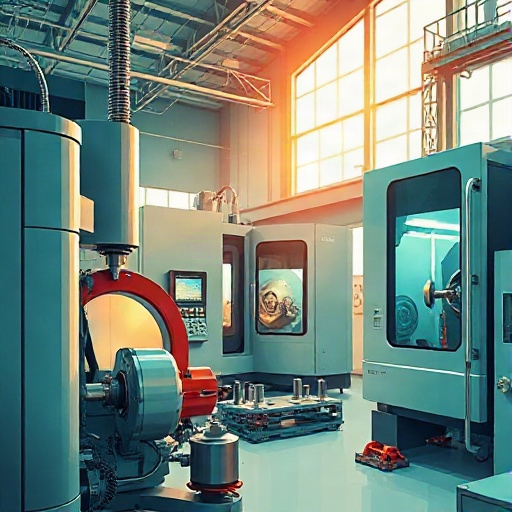
Equipment builders continue to add more axes and larger tool magazines to swiss lathes, allowing complete machining of increasingly complex parts. New models feature thermal compensation systems that maintain accuracy even as shop temperatures fluctuate. Faster controllers reduce non-cut time and support simultaneous machining on main and sub-spindles. These advances expand the range of parts that can move from multi-machine cells onto a single swiss platform.
Sustainability in Machining Processes
Shops adopt minimum-quantity lubrication and high-pressure coolant filtration to cut fluid consumption and disposal costs. Energy-efficient spindle motors and regenerative drives lower electricity use during long production runs. Recycling programs for chips and used tooling further reduce environmental impact. Swiss machining already generates less scrap than many alternative processes because of its single-setup approach, and ongoing improvements in tool coatings extend insert life to stretch resources even further.
The Role of Advanced Tooling and Geometries
Advanced tooling with specialized chip-breaker geometries improves evacuation when machining long-chip materials such as nickel and stainless steel. Coated inserts resist wear at higher speeds, shortening cycle times without compromising surface integrity. Tool manufacturers now offer modular systems that let operators swap heads quickly while maintaining precise offsets. These developments allow machine shops to tackle tougher alloys and tighter tolerances on existing swiss equipment without major capital investment.