Exploring the Future of Welding Technologies and Their Impact on Industry
Innovations in Welding Technologies
Emergence of Automated Welding Systems
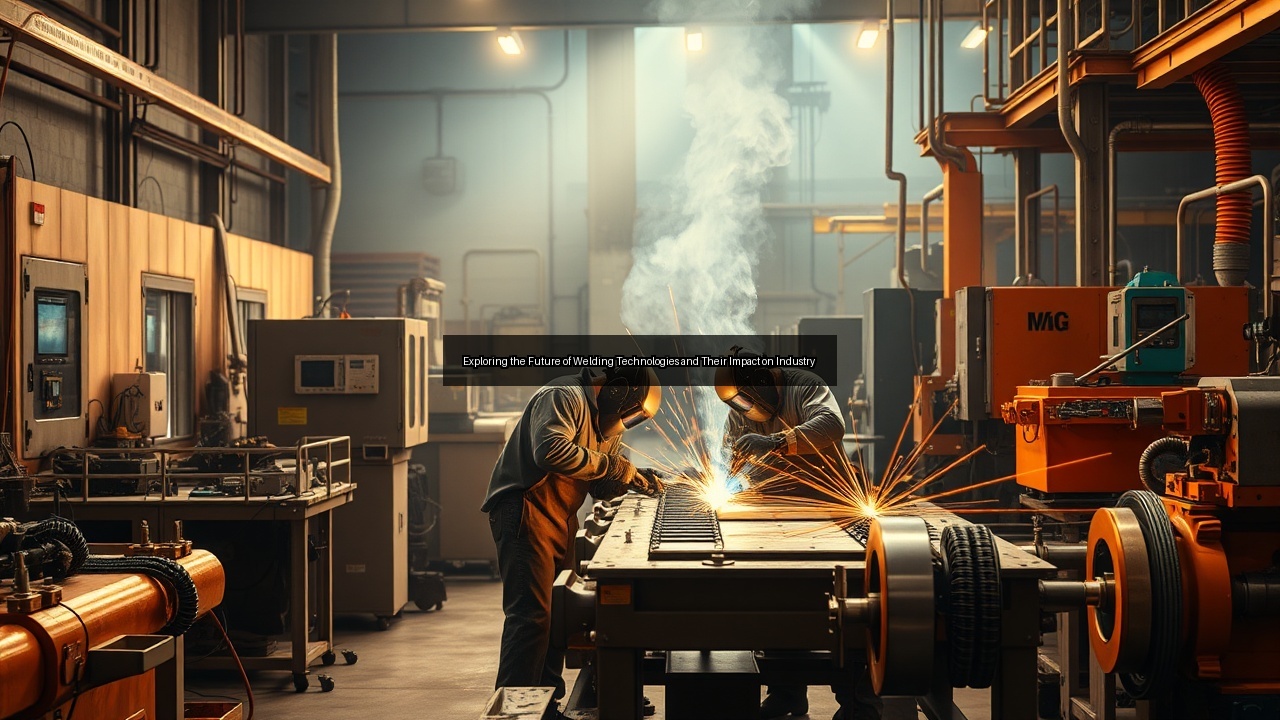
Automated welding systems now drive efficiency across welding and fabrication projects by integrating robotics with precise control software. These setups handle repetitive tasks in metal fabrication while reducing human error during long production runs. Manufacturers deploy automated machines that combine sensors and programming to maintain consistent weld quality on aluminum and steel components. Automation frees skilled welders for complex engineering decisions and supports higher output in aerospace and infrastructure sectors. Companies that adopt these technologies report faster turnaround times and lower overall costs because machines operate continuously with minimal downtime. Welding and fabrication services benefit when automated cells integrate with existing machinery like saws and machining centers, creating seamless workflows that improve throughput. The shift toward automation also requires updated training programs so operators understand both the hardware and the software that governs weld parameters.
Advancements in MIG and TIG Welding
MIG welding and TIG welding have evolved with new power sources that deliver stable arcs and better penetration on thin and thick metals alike. GMAW processes now feature pulsed modes that reduce spatter and heat input, protecting alloys during fabrication. GTAW techniques incorporate advanced inverter technology that improves control over current and voltage, giving welders finer command when joining aluminum or stainless steel. These improvements allow fabrication companies to tackle intricate designs that once demanded extensive post-weld machining. Fabricators combine MIG and TIG methods within the same metal fabrication process to optimize speed and finish quality. Modern machines support both processes through quick-change torches, shortening setup times in busy workshops. Welding and fabrication teams achieve stronger joints and cleaner beads that meet strict aerospace standards without additional grinding.
The Role of Energy Efficiency in Welding Processes
Energy efficiency shapes modern welding practices as manufacturers seek to lower power consumption during high-volume fabrication. New inverter-based machines convert energy more effectively than older transformer models, cutting electricity use by up to thirty percent in typical metal fabrication workflows. Welders adjust parameters to match material thickness, preventing wasted heat on lighter alloys. Fabrication and welding services track energy data through integrated monitors that highlight opportunities for optimization. Sustainable choices in equipment selection also reduce cooling demands on shop infrastructure. Companies that prioritize energy-efficient tools often combine these machines with smart scheduling to operate during off-peak utility rates. The result is lower operating costs and reduced environmental impact without sacrificing weld strength or production speed.
Impact on Metal Fabrication and Manufacturing
The Custom Welding and Fabrication Landscape
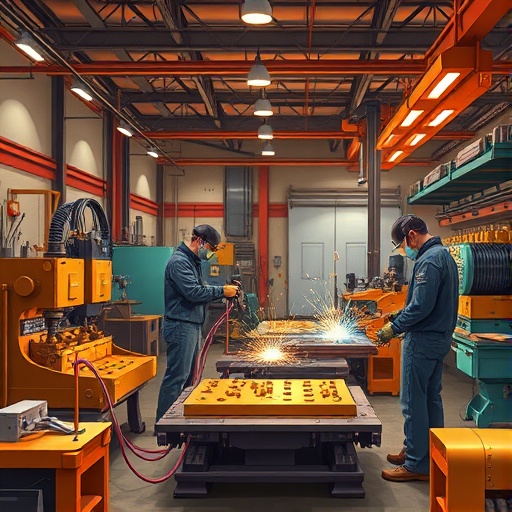
Custom welding and fabrication now serves diverse industries that demand tailored components from specialized alloys. Fabricators use design software to translate client specifications into precise cutting and joining sequences that incorporate MIG, TIG, and SMAW techniques. Shops equipped with CNC saws and machining centers produce parts that fit directly into larger assemblies, minimizing on-site adjustments. Welding and fabrication experts collaborate with engineering teams to select the right filler metals and joint designs for each application. This approach shortens lead times for one-off projects in automotive, construction, and heavy equipment sectors. Custom work often includes brazing operations alongside traditional welding to join dissimilar metals without distortion. Clients receive finished products that meet exact dimensional tolerances and surface requirements.
Integration of Welding in Modern Manufacturing Workflows
Welding integrates tightly into modern manufacturing workflows through connected machinery that shares data across production stages. Fabrication companies link welding cells to upstream cutting and forming stations so parts arrive ready for joining without manual handling. Real-time monitoring software tracks weld parameters and alerts operators to deviations before defects form. This connectivity supports just-in-time manufacturing models that reduce inventory costs for metal fabrication projects. Automation allows welders to focus on setup and inspection rather than repetitive torch movement. Integrated systems also coordinate with downstream machining and coating operations, creating continuous flow from raw stock to finished assembly. Welding and fabrication services that embed themselves in these workflows gain competitive advantages in speed and consistency.
Quality Control in Fabrication and Welding Services
Quality control remains central to fabrication and welding services that pursue ISO 9001 certification. Inspectors use ultrasonic and radiographic methods to verify weld integrity on critical components destined for aerospace and pressure vessels. Fabrication companies document every step of the metal fabrication process, from material certification through final inspection, to maintain traceability. Welders follow standardized procedures that specify amperage, travel speed, and shielding gas mixtures for each alloy combination. Automated vision systems now supplement human checks by flagging surface irregularities during production. Consistent quality control reduces rework and strengthens client confidence in delivered parts. Fabrication and welding teams that invest in training and equipment achieve higher first-pass yields and fewer warranty claims.
Sustainability and the Future of Welding
Eco-Friendly Welding Practices
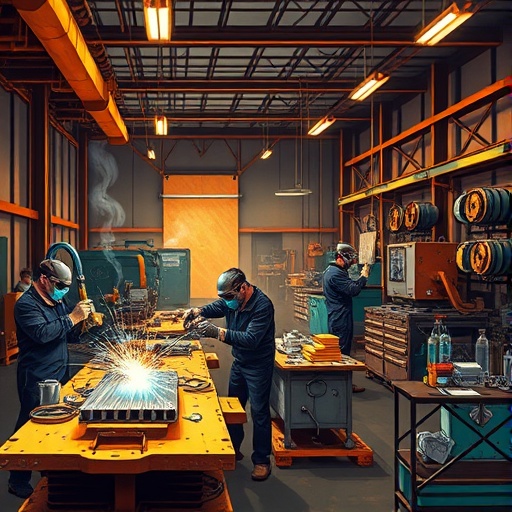
Eco-friendly welding practices focus on minimizing fume generation and resource consumption during metal joining operations. Fabricators select low-hydrogen electrodes and advanced gas mixtures that reduce emissions while maintaining arc stability. Welding and fabrication shops install extraction systems that capture particulates before they reach the workspace. Many facilities now track carbon footprints associated with each fabrication process and seek ways to lower them through efficient machine scheduling. Sustainable choices extend to consumables such as recycled shielding gas cylinders and biodegradable anti-spatter compounds. Companies that adopt these measures often qualify for environmental certifications that open doors to green-minded clients in infrastructure and renewable energy sectors.
Recycling and Reusing Metal Alloys in Fabrication
Recycling and reusing metal alloys in fabrication reduces raw material demand and supports circular economy goals. Fabrication companies sort scrap aluminum, steel, and specialty alloys for remelting or resale, recovering value that offsets project costs. Welding processes adapt to accommodate recycled feedstock by adjusting preheat and interpass temperatures to account for slight compositional variations. Metal fabrication teams collaborate with suppliers to source certified recycled stock that meets engineering specifications. This practice lowers the weight of finished structures when designers specify thinner sections made possible by high-strength recycled alloys. Welding and fabrication services that close the material loop strengthen their sustainability credentials while controlling expenses.
Cost-Effective Solutions for Sustainable Welding
Cost-effective solutions for sustainable welding combine efficient equipment with strategic material choices that lower both environmental impact and operating expenses. Fabricators evaluate total ownership costs of new machines that consume less energy and require fewer consumables over time. Welding and fabrication projects benefit when teams standardize on versatile filler metals that work across multiple alloys, reducing inventory complexity. Preventive maintenance programs keep machinery running at peak efficiency and avoid costly unplanned downtime. Companies also explore hybrid joining methods that blend welding with mechanical fastening to cut energy use on thick sections. These approaches deliver durable products while aligning economic and environmental objectives in competitive markets.
Challenges and Opportunities in Welding and Fabrication
The Need for Skilled Welders and Expertise
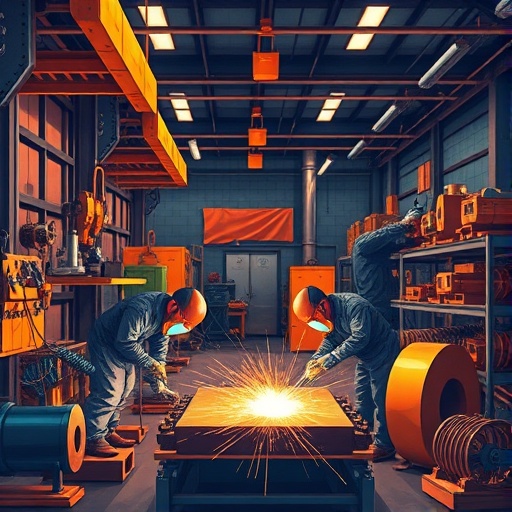
The need for skilled welders and expertise grows as fabrication technologies advance and project specifications tighten. Welding and fabrication employers invest in apprenticeship programs that combine classroom instruction with hands-on practice on MIG, TIG, and automated systems. Experienced welders bring knowledge of metallurgy and joint design that prevents costly defects in high-stakes applications. Fabrication companies that retain talent through competitive pay and continuous learning opportunities maintain higher productivity levels. Expertise in reading engineering drawings and applying codes ensures compliance across aerospace, infrastructure, and pressure vessel work. The industry faces a generational skills gap that training initiatives must address to sustain growth.
Inspection and Quality Assurance in Welding
Inspection and quality assurance in welding protect structural integrity and regulatory compliance. Fabrication teams perform visual checks followed by nondestructive testing methods calibrated for specific alloy thicknesses and joint types. Welding and fabrication services document results against ISO 9001 requirements to demonstrate consistent process control. Advanced inspection tools now include portable spectrometers that verify filler metal composition before welding begins. Quality assurance programs also cover welder qualification records and procedure approvals that clients demand for critical components. Thorough inspection reduces liability and builds long-term trust with manufacturers who rely on defect-free deliveries.
Managing Weight and Cost in Fabrication Processes
Managing weight and cost in fabrication processes drives innovation in joint design and material selection. Engineers optimize weld sizes and sequences to achieve required strength without excess metal deposition that adds unnecessary weight. Welding and fabrication teams evaluate trade-offs between thicker sections and high-strength alloys that permit lighter constructions. Cost control also involves choosing processes such as GMAW for speed on long seams while reserving GTAW for precision areas. Fabrication companies track material utilization rates and scrap percentages to identify savings opportunities. Balanced attention to weight and cost produces competitive products that meet performance targets while preserving profit margins across diverse manufacturing sectors.
See Also
- Innovative Techniques in Welding and Fabrication for Modern Manufacturing
- Mastering the Metal Fabrication Process from Design to Execution
- The Art of Custom Welding and Fabrication for Unique Applications
- Sustainable Practices in Metal Fabrication for a Greener Future
- The Role of Automation in Transforming Welding and Fabrication Processes